
BC rules
Do You Need a Permit for a Shipping Container in BC?
It depends on your municipality, zoning, and use — confirm with your local planning or building department before you buy.
Conway Containers 5 min read
The honest answer to whether you need a shipping container permit in BC is: it depends. There's no single province-wide rule. Whether you need a permit, and what you have to follow, comes down to your municipality, your property's zoning, and how you plan to use the container.
Why there's no single answer in BC
British Columbia leaves most land-use decisions to individual municipalities and regional districts. That means the rules for placing a shipping container in Richmond can differ from those in Surrey, Kelowna, Nanaimo, or an unincorporated area governed by a regional district. Two things mostly drive the outcome:
- Zoning: what your land is zoned for (residential, agricultural, commercial, industrial) shapes what structures are allowed and where.
- Use: a container used purely for closed storage is treated very differently from one you convert into a workshop, office, or living space.
Many BC municipalities treat a shipping container as an accessory structure or temporary storage. In a lot of cases a single container used for storage is allowed without a building permit, but placement rules, time limits, or a development/siting permit can still apply. The only way to know for sure is to ask your local planning and building department before you commit.
Storage use vs. habitable use: the big dividing line
How you use the container is usually the deciding factor.
- Closed storage (no people working or living inside): often the lightest-touch scenario. Some municipalities allow it outright in certain zones; others want it screened, set back from property lines, or kept below a size or quantity threshold.
- Converted or habitable use (workshop with power, office, suite, anything people occupy): this typically triggers a building permit and brings the container under the BC Building Code. Once you add doors, windows, insulation, electrical, plumbing, or heating, inspectors generally treat it like any other building, with requirements for things like egress, ventilation, and foundations.
If your plan is "drop it and store tools and seasonal gear inside," your path is usually simpler. If your plan is "turn it into a heated, wired space people use," budget time and money for permits and inspections.
Setbacks and placement on residential property
Even where a storage container is permitted, where you put it matters. Most residential zones in BC specify setbacks — minimum distances a structure must sit from front, side, and rear property lines. Other common placement considerations include:
- Keeping the container out of required front-yard areas or off easements.
- Maximum coverage or accessory-structure limits on the lot.
- Screening or visibility rules in some neighborhoods.
- Strata rules — if your property is in a strata, bylaws may restrict or prohibit containers regardless of municipal zoning, so check with your strata council first.
A 20ft container has a modest footprint, which gives you flexibility on most lots, but you still need a spot that respects your setbacks and leaves room for delivery access. If you're unsure how a unit fits, our team can talk through siting when we plan your delivery.
The Agricultural Land Reserve (ALR) angle for farmers
If your property sits in BC's Agricultural Land Reserve, there's an extra layer. The ALR regulates land use to protect farmland, and structures or uses on ALR land can carry their own conditions on top of municipal zoning. A container used for genuine farm storage tied to the farm operation is often viewed differently than one used for non-farm purposes — but that's a generalization, and ALR rules are administered alongside local government bylaws.
If you're a farmer placing a container on ALR land, confirm with both your municipality and the Agricultural Land Commission's framework before you buy, so you don't end up with a unit you can't legally keep where you want it.
Before you buy: a simple checklist
A few minutes of homework up front saves a lot of grief later.
- Call your local planning/building department. Tell them your address, zoning, container size (most of our stock is 20ft), and intended use. Ask plainly: do I need a permit, and are there placement rules?
- Confirm setbacks and placement for your specific lot and zone.
- If converting, ask about the building permit process and BC Building Code requirements.
- If on ALR land or in a strata, check those rules too.
- Plan delivery access so a tilt-deck truck can reach your chosen spot.
One more thing worth knowing: requirements can hinge on whether a container is considered temporary or permanent, and on how it's anchored or placed. When in doubt, ask your municipality to be specific.
How Conway can — and can't — help
We can advise on practical siting, sizes, and delivery so the unit you choose actually fits your space and access. What we can't do is grant, guarantee, or speed up a permit — that authority sits entirely with your municipality and, where relevant, the ALR or your strata.
This article is general information, not legal advice. Rules vary by municipality and change over time — always confirm the current requirements with your local government before you buy or place a container.
Done your homework and ready to move? Browse our in-stock 20ft containers or get a quote — and if you want a hand thinking through where the unit will sit and how it'll arrive, just ask. Related reading: popular container uses in BC and how delivery works.
FAQ
Common questions
- Do I need a permit to put a shipping container on my property in BC?
- It depends on your municipality, your zoning, and how you use the container. Many BC municipalities allow a single container for storage, sometimes with placement rules or a permit, while converting one into an occupied space usually requires a building permit. Always confirm with your local planning department first.
- Does a storage container need a building permit if I'm not living in it?
- Often not, if it's used only for closed storage — but this varies by municipality and zone, and placement or screening rules may still apply. A building permit and the BC Building Code typically come into play once you convert the container for people to work or live in.
- Can I put a shipping container on ALR (farmland) in BC?
- Possibly, but the Agricultural Land Reserve adds rules on top of municipal zoning. Containers tied to a genuine farm use are often treated differently than non-farm uses. Confirm with both your municipality and the ALR framework before buying.
- Can Conway get the permit for me?
- No. Permits are granted only by your municipality, and where relevant the ALR or your strata. We can advise on siting, sizing, and delivery so your container fits your space and access, but we can't grant or guarantee a permit.
Ready to find your container?
Tell us what you need and we'll send a quote within one business day — delivery included. Prefer to talk? Call us.
Talk to us
Get a quote in 1 business day.
Tell us what you need — we reply Mon–Fri 09:00–18:00 PT.
- Reply within 1 business day — Mon–Fri, 09:00–18:00 PT
- All-in CAD pricing — delivery quoted up front, no hidden fees
- See the exact unit in Richmond before you pay
- Every unit CSC · ACEP · IICL inspected
Request received — thank you!
We'll get back to you within 1 business day (Mon–Fri). Want it sooner? Call us and we'll sort it today.
Keep reading
More BC container guides
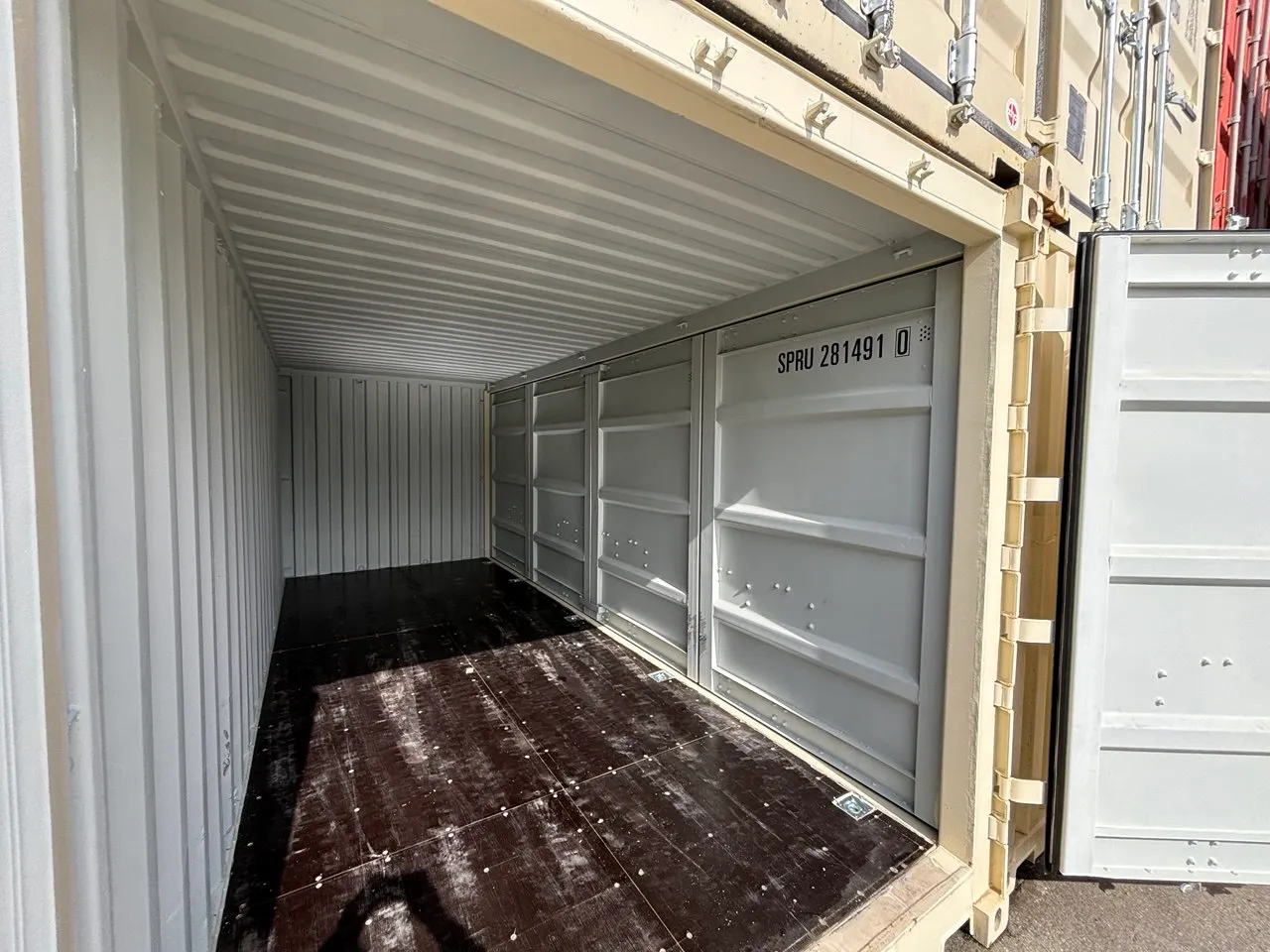
7 Things People Actually Use Shipping Containers For in BC
From rainy backyard storage to farm feed and jobsite lockups — 7 real-world container uses across BC
5 min read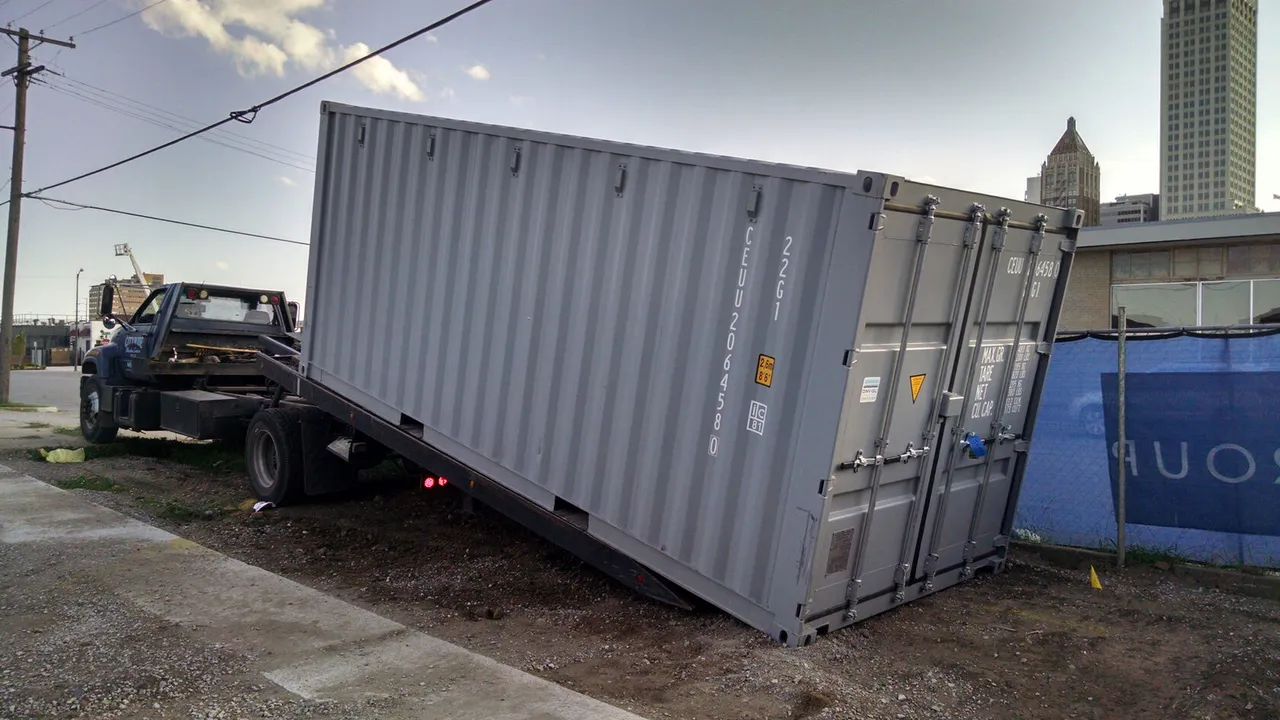
How Container Delivery Works in Metro Vancouver (and Across BC)
Tilt-deck vs crane, site access, prep, and what delivery day actually looks like in BC
5 min read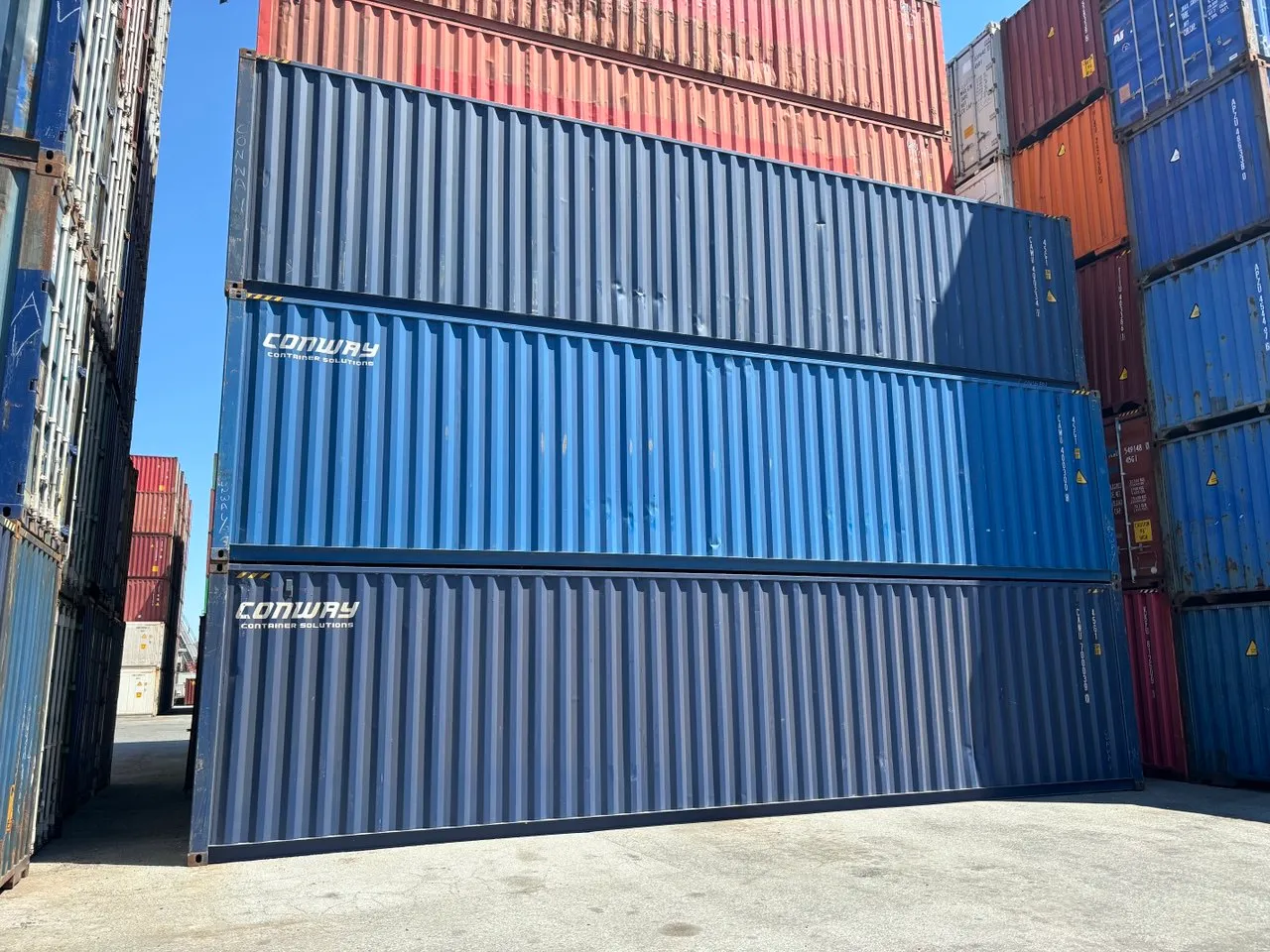
Shipping Container Colors: What to Expect and How to Repaint
Why used containers show up in blue, green, grey or tan, and what a respray actually involves in BC
5 min read