
Buying guide
7 Things People Actually Use Shipping Containers For in BC
In BC, most people buy one 20ft container for dry, secure storage — backyards, farms, jobsites, workshops, and shops all top the list.
Conway Containers 5 min read
If you've ever wished for a dry, lockable space that doesn't need a permit to put up a wall, you've probably thought about a shipping container. Here are the most common shipping container uses BC buyers come to us with — practical jobs that a single 20ft unit handles well in our wet, hilly, trade-and-farm corner of Canada.
Why one 20ft container covers most BC needs
Almost everyone who calls us is buying a single container for storage, not a building project. The 20ft size is the workhorse: it fits on a standard driveway or a gravel pad, lands cleanly off a tilt-deck truck, and holds a surprising amount of gear. Right now our yard in Richmond is all 20ft stock — used Standard units, a new Standard, a used High Cube with extra headroom, and a new Open Side. If you're weighing sizes, our 20ft vs 40ft guide walks through the trade-offs, and the conditions guide explains what "used" really means.
BC adds its own wrinkles: rain that finds every gap, sloped lots, and trades and farms that need things to be mobile and theft-resistant. A steel box handles all three. Here are the seven uses we see most.
The 7 most common shipping container uses in BC
1. Backyard and garden storage
The most common reason people in Metro Vancouver buy a container: getting the lawnmower, patio furniture, bikes, and seasonal stuff out of a soggy garage or off a tarp in the yard. Steel keeps the rain and rodents out far better than a wood or plastic shed, and the cargo doors lock tight. A used 20ft Standard from $2,400 CAD does this job for a fraction of building a new shed — and you can paint it to blend in. See our color guide if you want it to disappear into the fence line.
2. Home workshop and garage overflow
For the woodworker, mechanic, or weekend builder, a container becomes the overflow bay the garage never had. Tools, lumber, tires, and project parts get a dry home, and the original garage gets its floor back. Many owners add shelving and a work light; just remember that the moment you're adding power, insulation, and living in it, you've crossed into a build that may need approval. Our BC permits guide covers when that line gets crossed.
3. Farm and ALR equipment and feed storage
Out in the Fraser Valley and the Interior, containers are a familiar sight on farms — and for good reason. They keep feed dry, store implements and irrigation gear out of the weather, and lock up the expensive stuff overnight. On ALR (Agricultural Land Reserve) land, a non-permanent storage container is often treated differently than a permanent structure, but rules vary by region and by use. Confirm with your local municipality and the ALC before you site one — this is general information, not legal advice.
4. Contractor jobsite tool and material storage
Trades love containers because they're lockable, weather-tight, and movable. Drop one on a site, fill it with tools, fasteners, and finish materials, and you've got a secure mobile lockup that travels to the next job on a tilt-deck. In a region where copper and power tools walk off open sites, that steel and a good lockbox pay for themselves. When the job wraps, we can help you move it — see delivery zones and the postal-code estimator to plan the next drop.
5. Small-business inventory and retail backstock
Shops, e-commerce sellers, and tradespeople running out of a small unit use containers as cheap, secure backstock space. Instead of renting a climate-controlled locker by the month, you own the box and park it behind the shop. It's especially handy for seasonal inventory swings — bulk stock in, then breathing room when it ships out. A 20ft High Cube (used) at $3,950 gives you extra interior height for stacked shelving or palletized goods.
6. Seasonal and recreation gear
This is BC, so the garage is fighting skis, the bikes, the camping kit, the kayaks, and the snow tires all at once. A container sorts the seasonal rotation: winter gear in, summer gear out, all of it dry and locked. The Open Side unit (new, $6,700) is worth a look here — the full side opening makes loading long or awkward items like paddleboards and ladders much easier than wrestling them through end doors.
7. Secure storage during renovation or wildfire season
Two BC realities drive this one. During a renovation, a container in the driveway holds your furniture and appliances safe and dry while the house is torn up — no off-site storage unit, no hauling. And in wildfire-prone parts of the province, some owners use a steel container as a defensible spot to consolidate valuables and important gear when smoke season rolls in. It's not fireproof, but it's a sturdy, lockable place to stage what matters.
Picking the right unit for the job
Most of these uses are happy with a standard 20ft box. A few pointers:
- Tight on budget or just need dry storage? A used 20ft Standard from $2,400 is the value pick.
- Want it to look sharp or last decades? The new 20ft Standard ($3,300) shows up clean and unmarked.
- Storing tall or palletized goods? The 20ft High Cube (used, $3,950) adds a foot of headroom.
- Loading long or bulky items often? The 20ft Open Side (new, $6,700) opens along the full side.
Containers we sell carry standard industry plates and grades (CSC, ACEP, IICL), so you know what you're getting. If you have a 40ft job in mind, those are built to order on a quote rather than sitting in our yard today.
Getting one to your place
We deliver across BC by tilt-deck truck. Core Metro Vancouver starts from $250, extended areas like the North Shore, Tri-Cities, Ridge Meadows, and Langley from $350, and the rest of the province — Fraser Valley, Interior, Vancouver Island — is a custom quote. Punch in your postal code on the delivery estimator to see your zone, and read how delivery works so your pad and access are ready for the truck.
Ready to match a container to your use? Browse our in-stock 20ft units or get a quote — and if you'd like to see one in person, viewings are by appointment at our Richmond yard. Call +1-778-900-1772 and we'll help you sort it out.
FAQ
Common questions
- What do most people in BC use a shipping container for?
- Dry, secure storage is by far the most common use — backyard and garden gear, garage overflow, farm equipment and feed, jobsite tools, retail backstock, and seasonal recreation kit. Most of these jobs are handled by a single 20ft unit.
- Do I need a permit to put a storage container on my property in BC?
- For a container used purely as movable storage, many BC municipalities don't require a permit, but rules vary by city and by zoning, and ALR land has its own considerations. Always confirm with your local municipality before siting one — this is general information, not legal advice. See our BC permits guide for details.
- Is a 20ft container big enough for my needs?
- For most home, farm, jobsite, and small-business storage uses, yes — a 20ft container holds a lot and fits more easily on a driveway or pad. All of our current stock is 20ft; 40ft units are built to order on a quote.
- Can a container be moved later if I change locations?
- Yes. Containers are designed to be moved and are typically delivered and relocated by tilt-deck truck, which is why contractors use them as mobile jobsite lockups. Use our delivery estimator to plan a move to a new BC location.
Ready to find your container?
Tell us what you need and we'll send a quote within one business day — delivery included. Prefer to talk? Call us.
Talk to us
Get a quote in 1 business day.
Tell us what you need — we reply Mon–Fri 09:00–18:00 PT.
- Reply within 1 business day — Mon–Fri, 09:00–18:00 PT
- All-in CAD pricing — delivery quoted up front, no hidden fees
- See the exact unit in Richmond before you pay
- Every unit CSC · ACEP · IICL inspected
Request received — thank you!
We'll get back to you within 1 business day (Mon–Fri). Want it sooner? Call us and we'll sort it today.
Keep reading
More BC container guides
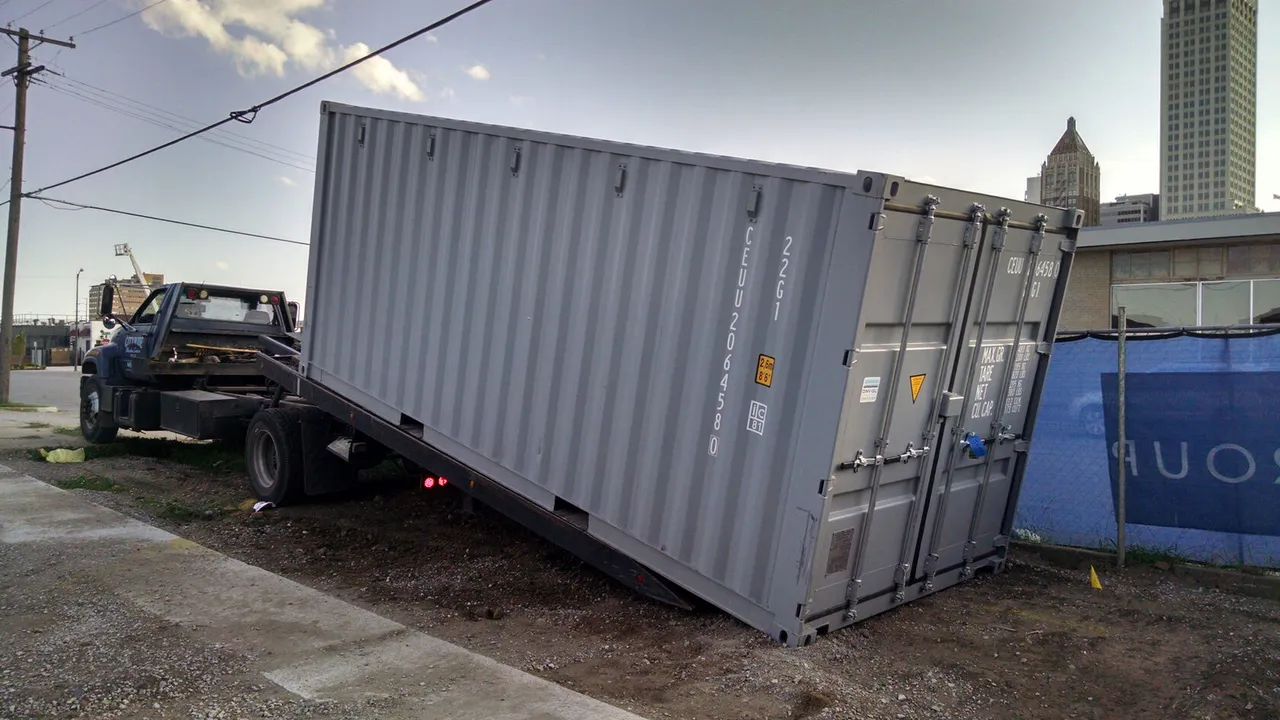
How Container Delivery Works in Metro Vancouver (and Across BC)
Tilt-deck vs crane, site access, prep, and what delivery day actually looks like in BC
5 min read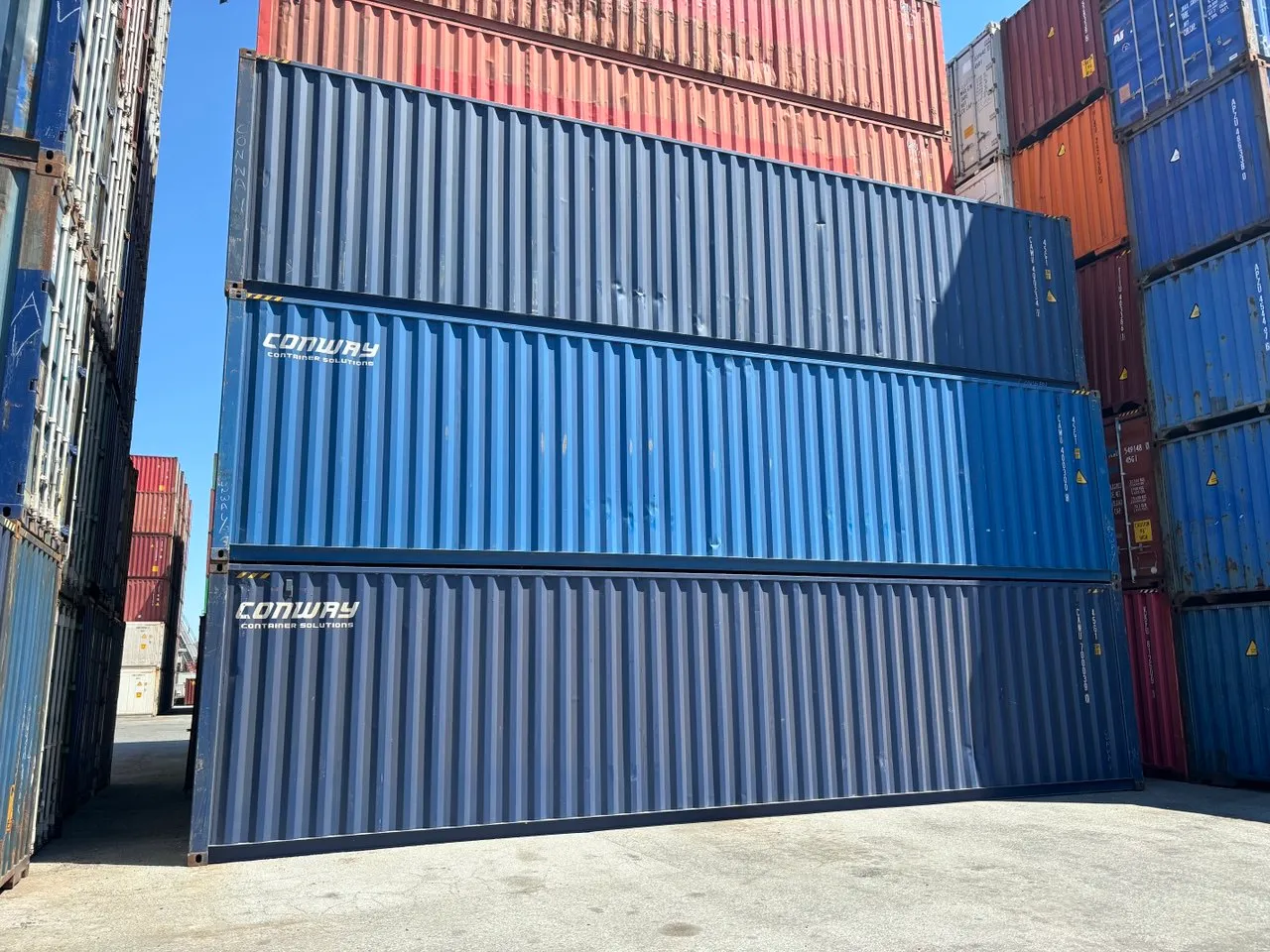
Shipping Container Colors: What to Expect and How to Repaint
Why used containers show up in blue, green, grey or tan, and what a respray actually involves in BC
5 min read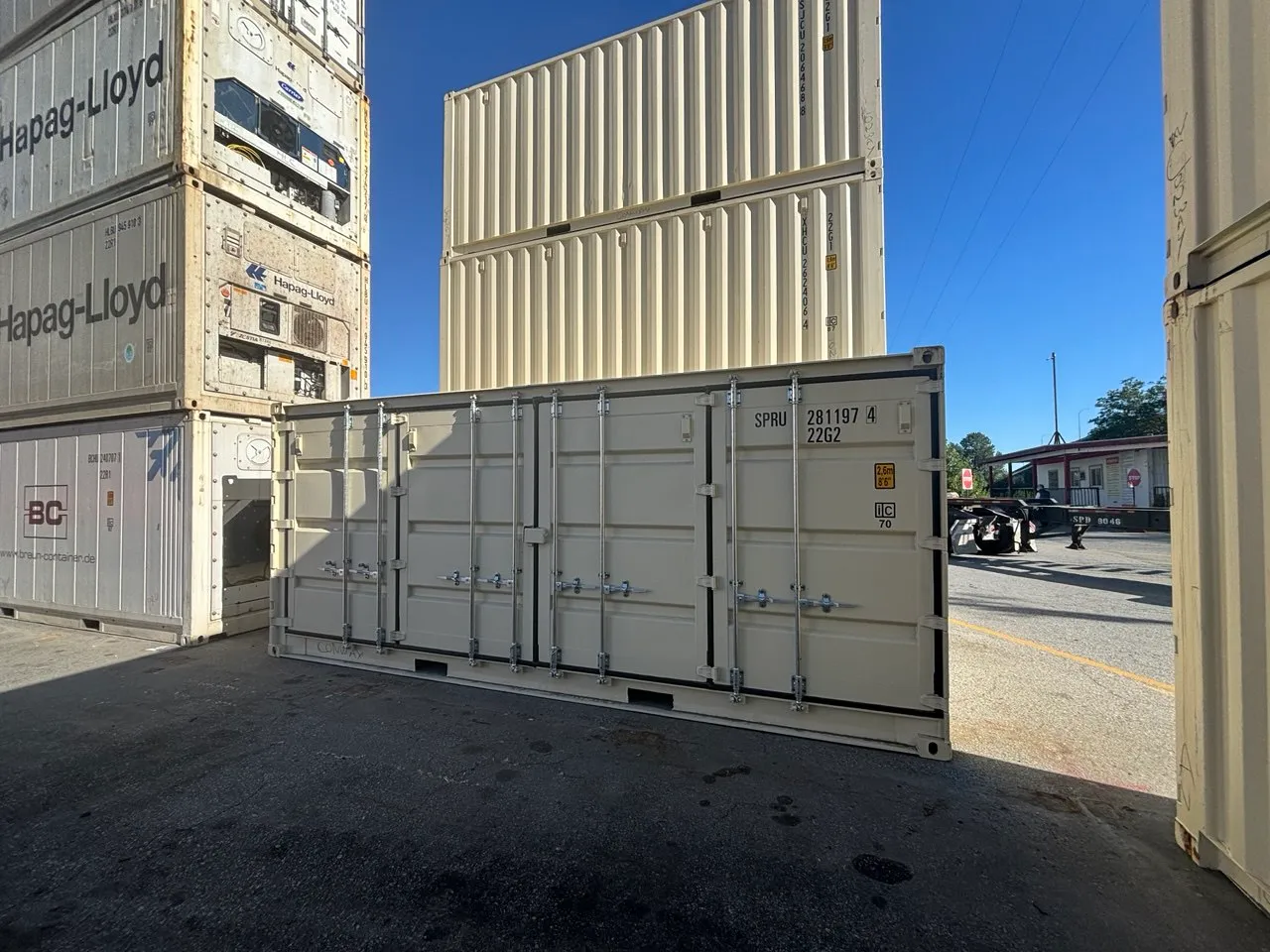
20ft vs 40ft Shipping Container: Which Size Do You Actually Need?
A plain-English look at 20ft vs 40ft containers so BC buyers pick the right size the first time
5 min read